Acting Coach in NYC: Top Acting Classes, Acting School & Coach for Actors NYC

Acting Coach in NYC: Top Acting Classes, Acting School & Coach for Actors NYC

How to Prepare for Success at Acting Schools in New York and What to Expect

Drama students reading a script in an acting class stock photo

Stepping into your first online acting class can be both exciting and nerve-wracking. While the virtual nature of these classes might feel unfamiliar, they offer a strong foundation for developing your craft. Here’s what you need to know about setting yourself up for success.

Setting Up Your Space

  • Choose a quiet location: Find a space free from distractions, where you won’t be interrupted during class.
  • Ensure good lighting: Proper lighting allows your instructor and peers to see your expressions clearly. Natural light or a simple desk lamp can work well.
  • Clear some space: Acting often involves physical movement, so create enough room to stand, stretch, and engage fully in activities.

Technology Essentials

Tool/Resource Recommendation
Device Use a laptop or desktop with a stable setup (a phone may suffice but limits visibility).
Internet Ensure high-speed internet to avoid disruptions during interactive sessions.
Webcam Opt for an external HD webcam if possible for better video quality.
Microphone A good-quality microphone or headset enhances audio clarity when performing lines.

Additionally, download any software required by the instructor ahead of time (e.g., Zoom or Google Meet). Test-run these tools prior to class.

What Happens During Class?

  1. Introductions and Icebreakers: Start by meeting your instructor and fellow participants through exercises designed to ease nerves and foster connection.
  2. Warm-Up Exercises: Engage in physical and vocal warm-ups that prepare you mentally and physically for acting work.
  3. Skill Development Activities: These may include learning techniques such as:
  4. Voice projection exercises
  5. Improvisation drills
  6. Scene breakdowns or monologue delivery
  7. Feedback Sessions: Classes often conclude with feedback on performances, helping you identify strengths and areas for improvement.

Preparing Yourself Mentally

  • Be prepared to make mistakes—they are stepping stones toward growth.
  • Stay receptive to constructive criticism; it’s meant to support your development.
  • Adopt a collaborative mindset since many exercises involve working closely with peers.

General Tips for Success

  • Arrive early to familiarize yourself with the digital classroom layout.
  • Dress comfortably but avoid overly distracting patterns or accessories that might hinder movement or draw focus away from performances.
  • Keep water nearby, as speaking continuously can strain your voice.
  • Review provided materials (if any) before joining the class so you’re better prepared.

Starting an online acting journey requires preparation but also trust in the process—your growth will come through consistent effort and engagement throughout each session.

What to Expect from NYC Acting Classes and What You’ll Learn

Online acting classes have become an accessible platform for aspiring actors to develop their craft. By understanding the structure and content of these classes, you can set clear expectations and make the most out of your learning experience. Let’s break down what a typical online acting class entails and what skills you’re likely to acquire.

Typical Structure of an Online Acting Class

  1. The session usually begins with introductions, especially if it’s your first class.
    • Breathing exercises to control your voice projection.
    • Physical stretches for relaxation and body awareness.
    • Vocal drills like tongue twisters or pitch exercises.
    • The importance of subtext in dialogues.
    • Understanding objectives in scenes (what the character wants).
    • Introduction to popular acting methods like Stanislavski or Meisner.
    • Performing monologues or short scenes via webcam.
    • Partner work using breakout rooms for dialogue delivery or improvisation tasks.
    • Receiving constructive feedback from peers and instructors.
  2. A collaborative discussion often follows the practical exercises:
    • Reflection on performances—what worked well versus areas for improvement.
    • Sharing insights about tackling challenging emotions or characters.
  3. Students have the opportunity to ask questions about techniques or career advice.
  4. Instructors typically conclude by summarizing key takeaways from the session.
  5. Homework assignments might be given such as preparing a specific monologue, recording a self-tape audition, or journaling emotions experienced during practice.

Skills You’ll Learn in Online Acting Classes

  • Script analysis—learning how to dissect scripts for context, subtext, and motivation.
  • Voice control—modulating tone, pitch, volume, and clarity for impactful dialogue delivery.
  • Body language—using physicality effectively to convey emotion or intention.
    • Building confidence in performing before others (even virtually).
    • Active listening during partner scenes to create authentic interactions.
    • Collaboration with classmates during group activities.
    • Harnessing personal experiences via emotional recall without losing authenticity.
    • Managing stage fright through relaxation techniques practiced during warm-ups.

Tips for Success in Online Acting Classes

  • Ensure your tech setup is reliable: | Equipment Needed | Purpose | |————————-|——————————————–| | Laptop/PC with webcam | For clear video visibility | | Stable internet connection | To avoid lag during live interactions | | Quality microphone | For clear audio communication |
  • Create a distraction-free space where you can move around freely during physical exercises or performances.
  • Practice regularly outside class hours—repetition strengthens your muscle memory for both lines and movements.

Online acting classes provide structured opportunities to immerse yourself into the world of performance art while receiving tailored guidance from professional instructors—all within the comfort of your home setting.

Discover What New York Acting Schools Teach in Online Acting Classes

Online acting classes have gained significant popularity, providing aspiring actors with the flexibility to learn from anywhere. Understanding the structure of these classes and what they typically entail can help students approach their training with confidence and clarity. Here’s a detailed breakdown of what you can expect and the skills you are likely to acquire.

General Structure of an Online Acting Class

  1. Conducted via video conferencing platforms like Zoom or Google Meet.
  2. Instructors guide students through techniques, exercises, and scene work in real-time.
  3. Students receive immediate feedback on their performance.
  4. Supplemental video content covering theoretical concepts (e.g., acting methods or character analysis).
  5. Allows students to revisit material at their own pace.
  6. Includes warm-ups, improvisational exercises, or scene rehearsals with peers.
  7. Focuses on collaboration and building chemistry among participants.
  8. Solo monologue practice or self-tapes submitted for review.
  9. Encourages self-reflection and personal growth.
  10. Dedicated time for students to ask questions about techniques, industry insights, or specific challenges they face.

Key Components You’ll Learn in an Online Acting Class

Component What You’ll Learn
Voice & Speech Training Techniques to improve diction, vocal projection, and clarity.
Movement & Body Language Exercises that enhance physical expression and stage presence.
Improvisation Skills Building spontaneity and quick thinking through unscripted scenarios.
Script Analysis Identifying character motivations, themes, and subtext within scripts.
Scene Work Practical application of learned techniques in group or solo settings.
Audition Techniques Tips on preparing resumes, headshots, self-tapes, and live auditions.

Benefits of a Well-Structured Online Class

  • Accessibility: Students can join from any location without commuting.
  • Diversity: Exposure to instructors or classmates from varied backgrounds enriches the learning experience.
  • Flexibility: Many programs offer recorded sessions for busy students balancing multiple commitments.

These classes cater not only to beginners but also those looking to refine their craft further.

How These Classes Differ From In-Person Training

  • Improved focus on camera-specific techniques due to reliance on digital tools.
  • Increased emphasis on self-discipline since much of the work is done independently.
  • Challenges such as occasional technical difficulties that require adaptability from both instructors and students.

By understanding the structure of online acting courses and actively engaging in all aspects offered by these programs, students can build foundational skills that prepare them for both virtual performances and live stage opportunities alike.

Finding the Best Acting Coach New York Has to Offer for Online Classes

Online acting classes have grown immensely popular due to their accessibility and flexibility. However, fostering meaningful interaction and participation in a virtual environment can be challenging. Here are strategies and tips to enhance engagement during online acting courses, ensuring you make the most out of your learning experience.

Set Up a Dedicated Learning Space

  • Choose a quiet area: Ensure there’s minimal background noise or interruptions.
  • Adequate lighting: Proper lighting allows instructors and classmates to see your expressions clearly during scenes or exercises. Natural light or soft LED lighting works well.
  • Reliable internet connection: Ensure your Wi-Fi or wired connection is strong enough to support video calls without lagging or freezing.

A functional learning space not only boosts confidence but also demonstrates professionalism.

Actively Engage with Your Instructor and Peers

  1. Participate in discussions: Be proactive when instructors ask for feedback, insights, or thoughts on performances.
  2. Ask questions: Whether it’s about technique, feedback, or clarification on an exercise, asking questions shows genuine interest.
  3. Offer constructive input to peers: When encouraged by your instructor, share observations about others’ performances with kindness and respect.

Building rapport within an online setting strengthens group dynamics while creating a sense of community.

Embrace Virtual Acting Exercises

  • Use physical gestures sparingly but effectively within camera view.
  • Maintain eye contact by looking into the camera when performing monologues or dialogues (unless instructed otherwise).
  • Adapt vocal techniques for clarity since microphones may amplify sound differently compared to live settings.

These adjustments ensure that your performance translates well through digital platforms.

Leverage Technology for Better Interaction

Tool/Feature Purpose
Breakout Rooms Practice scenes with smaller groups
Chat Function Share quick comments/questions during class
Screen Sharing Present scripts, notes, or visual aids

Make sure you’re familiar with these tools before joining class so you can seamlessly navigate tech-based activities.

Tips for Overcoming Stage Fright Online

  • Practice breathing techniques before performances.
  • Warm up physically and vocally beforehand.
  • Rehearse frequently outside class hours to build confidence.

Remember that nervousness is natural—embrace it as part of your growth journey instead of resisting it entirely.

Cultivate Discipline Outside Class Hours

  1. Revisit recorded sessions if available (to analyze areas for improvement).
  2. Memorize scripts thoroughly so time spent interacting focuses on delivery rather than line reading.
  3. Experiment with improvisation exercises at home to keep creativity sharp between sessions.

Discipline outside classroom walls shapes how much value you’ll ultimately extract from remote learning opportunities.

By implementing these strategies consistently across sessions combined w/ openness toward collaboration—you’ll maximize both confidence & technical mastery amidst unique challenges persistent within digitized actor-training spaces

School Play Rehearsal stock photo

Mastering Your Craft: Overcoming Challenges with Acting Classes NYC

Entering the world of acting is an exciting journey, but it comes with its fair share of challenges. Many aspiring actors face hurdles that can test their confidence, resilience, and dedication. Understanding these common challenges and learning how to navigate them can help set you up for long-term success in your acting career.

1. Building Confidence in Your Abilities

One of the most significant obstacles for new actors is developing self-confidence. It’s common to feel intimidated when auditioning, performing in front of others, or showcasing your talent publicly.

Strategies to Build Confidence:Practice Regularly: Rehearse monologues or scenes daily to refine your skills. – Seek Constructive Feedback: Work with a trusted mentor or acting coach who can provide actionable advice. – Join Supportive Communities: Connect with other aspiring actors through social media groups or local theater organizations. – Celebrate Small Wins: Whether it’s nailing a line or improving your body language, recognize every step forward.

2. Managing Rejection and Criticism

Rejection is an inevitable part of the acting world. Not landing a role doesn’t necessarily reflect poorly on your talent but may simply mean you weren’t the right fit for that specific part.

How to Handle Rejection: – View rejection as a learning opportunity rather than a setback. – Keep refining your craft after every audition by working on areas that need improvement. – Develop resilience by focusing on long-term goals rather than short-term setbacks.

3. Financial Constraints

Pursuing an acting career often involves financial investment in classes, headshots, transportation to auditions, and more. Budgeting for these expenses can be challenging for beginners.

Solutions to Financial Challenges: | Expense | Affordable Alternatives | |————————–|——————————————————-| | Acting Classes | Look for community theater workshops or online courses.| | Professional Headshots | Start with quality photos from local photographers. | | Costumes/Props | Use thrift stores or borrow items creatively. |

4. Balancing Acting with Other Responsibilities

For many aspiring actors, juggling acting commitments with work, school, or family obligations can feel overwhelming.

Time Management Tips: – Set aside specific hours each week dedicated solely to rehearsals and auditions. – Use tools like calendars or task management apps to stay organized. – Communicate openly with employers or loved ones about your schedule so they can support you better.

5. Dealing With Self-Doubt

Self-doubt is another major challenge that often holds new actors back from reaching their full potential. Questions like “Am I good enough?” can create mental barriers that hinder growth.

Ways to Overcome Self-Doubt: – Reflect on why you started acting; reconnecting with your passion helps build motivation. – Focus on progress rather than perfection—every small improvement matters. – Surround yourself with supportive peers who encourage growth instead of criticism.

6. Navigating Networking Challenges

Building connections within the entertainment industry is vital for finding opportunities but intimidating for those just starting out.

Networking Tips for Beginners: – Attend industry events such as casting workshops and film festivals where you can meet professionals. – Be active on social platforms like LinkedIn and Instagram where casting directors post updates. – Always remain professional yet approachable; first impressions matter greatly in this field.

Overcoming these challenges may not happen overnight, but persistence combined with preparation will pave the way toward achieving success as an actor over time.

Acting Techniques Every Beginner Should Know to Build a Strong Foundation

1. The Stanislavski System

Developed by Konstantin Stanislavski, this method emphasizes realism and emotional authenticity. The actor’s goal is to create believable performances by fully immersing themselves in the character.

Key Elements: – Given Circumstances: Understand the character’s background, setting, relationships, and environment. – Objectives: Focus on what your character wants in each scene (often referred to as “the objective”). – Emotional Memory: Tap into your own life experiences to evoke genuine emotions.

2. Meisner Technique

Created by Sanford Meisner, this technique prioritizes genuine reactions and active listening between actors.

Key Practices: – Repetition Exercises: Helps actors focus on their partner’s behavior instead of their own. – Living Truthfully Under Imaginary Circumstances: Respond authentically to what’s happening in the scene.

3. Method Acting

Popularized by practitioners such as Lee Strasberg, Method Acting requires deep emotional commitment and physical preparation.

Common Traits: – Fully embodying the role both onstage/offscreen and off. – Employing sensory exercises to recall emotions or sensations akin to the character.

4. Improvisation Skills

A strong foundation in improvisation teaches adaptability, creativity, and quick thinking—skills vital for auditions or unexpected moments during performances.

Suggestions for Practice: – Join an improv class or group. – Practice short-form games like “Yes, And…”.

5. Voice Work

Clear diction and vocal control are essential for delivering lines effectively.

Techniques Include: – Practicing tongue twisters for clarity. – Working with diaphragmatic breathing exercises for vocal strength.

Exercise Purpose
Tongue Twisters Improves clarity & enunciation
Vocal Warmups Loosens vocal cords
Pitch Exercises Broadens range & dynamic delivery

6. Body Awareness and Movement

An actor’s physicality communicates just as much as their words. Movement-based training enhances body language awareness while fostering more expressive performances.

Recommendations: – Explore movement systems like Laban Movement Analysis or Alexander Technique. – Engage with yoga or dance classes to improve flexibility and coordination.

Tips for Practicing These Techniques

To effectively integrate these foundational skills into your craft: 1. Practice daily—even small exercises matter over time. 2. Record yourself performing monologues or scenes for self-review. 3. Use feedback constructively from peers or instructors. 4. Experiment with combining techniques to develop versatility.

By building on these principles early in your acting journey, you will create a strong foundation that supports growth over time while setting yourself apart as a capable performer in any role you take on.

The Benefits of Acting Workshops and How They Can Elevate Your Skills

Acting workshops provide a structured and immersive environment for actors at any stage of their journey to grow, refine, and master their craft. Unlike traditional acting classes, workshops often focus on specific techniques, styles, or skills, offering an opportunity to dive deep into areas of improvement or explore new methods. Below is an overview of the benefits these workshops provide and how they can elevate your performance abilities.

Advantages of Attending Acting Workshops

  1. Skill Development
    Acting workshops are highly focused learning environments. Whether you’re working on improvisation, voice modulation, physicality, or scene study, these sessions are tailored to enhance specific skills that every actor needs.
  2. Learn how to properly analyze a script for subtext.
  3. Practice monologues with expert guidance.
  4. Develop better emotional range through targeted exercises.
  5. Networking Opportunities
    Workshops bring together like-minded individuals, including aspiring actors, experienced professionals, and even industry insiders. This creates a valuable opportunity to:
  6. Build connections with peers for future collaborations.
  7. Gain insights from industry experts who offer mentorship.
  8. Receive feedback from seasoned professionals.
  9. Hands-On Experience
    Many acting workshops involve live demonstrations and practical exercises rather than purely theoretical lessons. This approach helps you:
  10. Work on scenes in real-time with partner actors.
  11. Improve through trial-and-error under the guidance of instructors.
  12. Receive instant feedback on your performance.
  13. Confidence Building
    Being part of a group setting allows you to step out of your comfort zone in a supportive atmosphere. This fosters:
  14. Greater self-assurance in performing in front of an audience.
  15. Improved ability to handle auditions or public speaking scenarios.
  16. Resilience when dealing with constructive criticism.

Choosing the Right Workshop

Factor What to Look For
Instructor’s Credentials Ensure the trainer has experience both in teaching and the entertainment industry.
Focus Area Choose workshops that specialize in your area of interest (e.g., method acting, voice work).
Duration & Format Decide between short-term intensives or longer programs based on your schedule flexibility.
Class Size Smaller classes allow for more individualized attention from instructors.

Practical Tips for Making the Most of Workshops

  • Do Your Research: Familiarize yourself with workshop objectives before enrolling.
  • Be Open-Minded: Be willing to step out of your comfort zone when trying new techniques.
  • Prepare Materials: Bring necessary scripts or monologues if requested beforehand by organizers.
  • Take Notes: Jot down actionable insights during sessions for future reference after the workshop ends.

Long-Term Impact on Your Career

Participating in acting workshops consistently can significantly impact your overall career trajectory by equipping you with techniques that translate seamlessly into auditions and performances. It sharpens not only your technical skills but also helps develop soft skills like adaptability, teamwork dynamics during ensemble pieces, and communication clarity—all critical traits for long-term success in acting.

Incorporating regular participation in well-structured workshops into your training routine could be instrumental in distinguishing yourself within this competitive field while achieving greater artistic growth over time.

Exploring Kids and Teen Acting Classes for Young Aspiring Performers

Acting classes for kids and teens provide a fantastic opportunity to nurture creativity, build confidence, and develop foundational skills in performance. Whether the goal is to explore acting as a hobby or pursue it professionally, these classes can be transformative for young aspiring performers. Below are insights into what makes acting classes valuable for youth, what parents should expect, and how children can benefit from them.

Benefits of Acting Classes for Kids and Teens

  1. Performing in front of peers helps young actors become comfortable expressing themselves in public settings.
  2. Small achievements in class provide a sense of accomplishment, boosting self-esteem over time.
  3. Acting encourages clear speech, active listening, and an understanding of non-verbal communication such as body language and facial expressions.
  4. Dialogue practice sharpens articulation and clarity in everyday conversations.
  5. Many acting exercises involve collaboration through group scenes or improvisation games.
  6. This teaches children the value of listening to others and contributing to a shared creative process.
  7. Acting allows children to experiment with emotions, characters, and storytelling in a safe environment.
  8. It fosters imagination while encouraging them to step out of their comfort zone.

What Do Kids Learn in Acting Classes?

Skill Area Description
Improvisation Games that teach quick thinking and encourage spontaneity
Voice & Diction Exercises focused on projection, pronunciation, and vocal variety
Movement & Body Language Techniques designed to help actors use their bodies effectively on stage
Scene Study Guided activities where students analyze scripts and perform short scenes
Character Development Learning how to create believable characters through emotion and behavior

These lessons are typically presented through playful activities that engage young minds while imparting essential acting principles.

How Parents Can Support Their Aspiring Actor

  • Ensure regular attendance so your child benefits from consistent learning.
  • Help them memorize lines or rehearse at home when needed.
  • Celebrate their progress even if the improvement seems small—every step matters.
  • Avoid putting pressure on them; let them enjoy the process without fear of judgment.
  • Discuss with instructors about additional opportunities such as auditions or performances if your child shows interest.

Online vs In-Person Kids’ Acting Classes

Aspect Online Classes In-Person Classes
Flexibility Convenient scheduling; no travel required Requires commuting but offers more structure
Interaction Level Virtual interaction can feel limited Facilitates face-to-face social connections
Learning Environment Familiar surroundings may feel comfortable Professional studios offer immersive experiences

Both formats have unique advantages depending on your child’s needs; some families even combine both options for well-rounded development.

Final Thoughts

Enrolling kids or teens in acting classes introduces them to an enriching world where they can learn vital life skills alongside performance techniques. By fostering creativity, communication abilities, and confidence early on, these programs lay the groundwork not only for success as young performers but also for personal growth that extends far beyond the stage or screen.


NYC Acting Classes: The Best Way to Start Your Acting Journey and Build Confidence

Actors Rehearsing With Scripts On Stage In Theatre stock photo

Starting your acting journey can feel overwhelming, but taking the first step with beginner-friendly acting classes can set the foundation for success. Whether you dream of performing on stage or in front of a camera, structured training will help you build confidence, learn essential skills, and prepare for the challenges of the industry.

Why Take Acting Classes as a Beginner?

Acting classes are crucial for beginners because they introduce fundamental skills while creating an environment that encourages creativity and personal growth. Here are key reasons why enrolling in classes is beneficial:
Skill Development: Learn the basic tools of acting such as voice modulation, body language, and improvisation.
Confidence Building: Gain self-assurance by performing in front of peers in a supportive setting.
Networking Opportunities: Connect with like-minded individuals and experienced instructors who can guide you on your journey.
Structured Practice: Develop discipline through regular exercises, rehearsals, and constructive feedback.

Types of Beginner Acting Classes

Class Type Focus Area Ideal For
Basic Scene Study Exploring short scenes Aspiring actors looking to analyze characters deeply
Improv Workshops Spontaneity and creativity Beginners interested in comedy or quick thinking
Voice Training Vocal projection & clarity Those aiming to improve their speech or stage presence
On-Camera Acting Film-specific techniques Beginners targeting a career in television/film

Building Confidence Through Practice

  1. Warm-Up Exercises: Most sessions begin with warm-ups that encourage physical relaxation and mental focus. These might include breathing exercises, stretching, or vocal drills to help ease performance anxiety.
  2. Collaborative Activities: Partner work or group exercises teach students how to rely on one another while creating a safe space for experimentation.
  3. Constructive Criticism: Instructors provide feedback designed to nurture rather than discourage progress.
  4. Performance Opportunities: Practicing monologues or participating in class showcases allows students to grow accustomed to speaking or performing before an audience.

Exploring Your Options

When selecting an acting class as a beginner, keep these considerations in mind: – Research local studios known for their beginner programs. – Look into online options if flexibility is important. – Seek reviews from other students who have taken similar courses. – Attend open house sessions when possible before committing.

Joining an acting class is about more than just learning lines—it’s about discovering yourself as a performer while embracing new challenges with enthusiasm and dedication. As you take your first steps into this exciting craft, trust the process and enjoy every moment of growth along the way.

Top Features to Consider When Choosing Acting Classes NYC

Choosing the right acting class as a beginner can be a crucial step in your journey. With so many options available, it’s essential to identify key features that will enhance your learning experience and help you build a strong foundation. Below are some of the most important aspects to consider when evaluating acting classes for beginners.

Experienced and Qualified Instructors at New York Acting Schools

The quality of instruction is one of the most significant factors in determining the effectiveness of an acting class. Look for classes led by instructors who have:
Professional Experience: Teachers with real-world acting or directing experience bring valuable industry insights. – Teaching Credentials: A background in teaching or coaching ensures they can communicate techniques effectively. – Proven Track Record: Positive reviews or testimonials from former students often indicate high-quality instruction.

Personalized Training with an Acting Coach New York Offers

Smaller class sizes allow for personalized feedback, more hands-on learning, and greater interaction with instructors. When researching classes, aim for those that maintain an intimate group setting, typically between 8–15 students.

Class Size Benefits
Small (8–15) Individualized feedback
Medium (16–25) Balanced instruction and networking
Large (25+) Limited personal attention

Focus on Foundational Techniques

Beginner acting classes should place emphasis on core skills such as:
Voice Training: Learning breath control, projection, and diction.
Body Awareness: Using movement to express emotions and intentions effectively.
Script Analysis: Understanding character motivations and plot dynamics. – Improvisation: Building creativity and adaptability under pressure.

Mastering these basics ensures you’ll have a solid platform upon which to develop more advanced skills later.

Supportive Learning Environment

Starting out as an actor can feel intimidating; therefore, it’s vital that the class fosters an encouraging atmosphere where students feel safe experimenting with their craft. Check reviews or visit a trial class to gauge whether the environment is collaborative and nonjudgmental.

Key indicators of a supportive environment include: – Open communication between instructors and students. – Constructive rather than critical feedback. – Opportunities for peer collaboration through group activities or partner exercises.

Practical Experience Opportunities

An excellent beginner course doesn’t just teach theory but provides opportunities to practice what you learn. Valuable practical experiences might include: – Performing monologues or scenes in front of classmates. – Participating in mock auditions. – Receiving on-camera training if film acting is included in the curriculum.

Practical application builds confidence while helping you internalize lessons more effectively.

Flexible Scheduling Options

Busy schedules can pose challenges for aspiring actors who may be balancing other responsibilities like work or school. Many reputable beginner programs offer flexible options such as: – Evening or weekend classes. – Online sessions for convenience. – Short-term workshops if long commitments aren’t feasible.

Networking Potential

Lastly, consider whether the program offers opportunities to make connections within the industry or among peers who share similar goals. Establishing relationships early on can open doors down the line through collaborations, referrals, or mentorships.

By keeping these key features in mind when selecting an acting class, you’ll lay a strong foundation for your development as an actor while ensuring your time and effort are invested wisely into a supportive learning environment tailored toward beginners’ needs.

What to Expect During Your Very First Acting Class at Acting Schools in New York

Starting your journey into acting can feel exciting yet overwhelming. Walking into your first acting class, you may not know what to anticipate. Whether you’re joining to explore a potential career or simply want to overcome shyness and build confidence, understanding what lies ahead will help you prepare mentally and emotionally.

Setting the Stage: What Will the Atmosphere Be Like?

  • Welcoming Environment: Most reputable acting classes strive to create a safe and supportive atmosphere where students of all levels feel comfortable expressing themselves.
  • Small Group Sizes: Beginner classes often keep group sizes manageable, allowing for personalized feedback from the instructor.
  • Interactive Space: You’ll likely find an open space designed for movement rather than rows of chairs, as physicality is essential in acting.

Typical Activities in a Beginner Acting Class

  1. The session may begin with introductions to help everyone feel at ease.
  2. Icebreaker games are common tools to encourage collaboration and reduce stage fright.
  3. Simple physical exercises such as stretching or light movement will be used to prepare your body for performance.
  4. Voice warm-ups like humming or breathing exercises are designed to help relax your vocal cords and improve projection.
  5. Improvisation encourages spontaneity and creativity, a core skill for any actor.
  6. You might participate in games where you react naturally without overthinking scripted lines.
  7. Some instructors will introduce short scripts or scenarios for practice.
  8. You’ll focus on basic communication skills through body language, tone, and expression.

Overcoming Common First-Class Challenges

Challenge How To Overcome It
Nervousness Remind yourself that everyone is there to learn; it’s okay not to be perfect right away.
Fear of Judgment Focus on self-improvement rather than comparing yourself with others in the class.
Difficulty Letting Go Acting requires vulnerability; try relaxation techniques if you’re struggling with rigidness or anxiety.

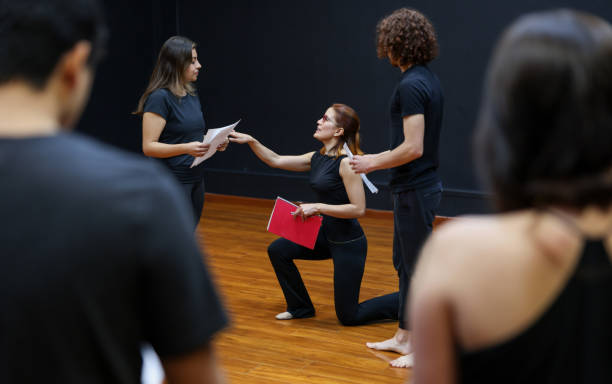
Acting coach directing an improv exercise with her students in a drama class stock photo

Key Takeaways from Your First Day

By the end of your first class, here’s what you should walk away with:
– A better understanding of how an acting class operates. – Greater awareness of how your voice and body contribute to performance. – An increased sense of comfort working within a group setting.

Remember that every actor starts somewhere—the goal is not perfection but growth. With consistent practice and dedication, each session will bring you closer to mastering the art of acting.

What to Expect During Your Very First Acting Class as a Newcomer

Starting your first acting class can feel exciting, but it may also be nerve-wracking, especially if you’re new to the craft. Understanding what typically happens during an initial session can help ease your concerns and prepare you for the experience.

A Warm Welcome and Introduction

Most beginner acting classes start with introductions. The instructor will likely describe their teaching philosophy and outline what you’ll learn over the course of the program. You may also have the opportunity to introduce yourself and share your motivations for joining.

This is a great time to:
– Get to know your peers, who are often at similar skill levels.
– Ask questions about the structure of the class or raise any concerns you might have. – Learn about class expectations, such as attendance, participation, and preparation.

Ice-Breakers and Group Activities

To create a relaxed environment, many instructors use ice-breakers that encourage interaction among students. These activities are designed to build trust within the group while loosening up tension. Expect exercises like:
– Name games to remember each other’s names. – Simple improvisation games that encourage creativity without pressure. – Team-based activities focused on communication or active listening.

These sessions set the tone for collaboration, which is key in acting.

Physical and Vocal Warm-Ups

Acting involves both physicality and vocal expression, so warm-ups are essential components of any beginner class. These exercises help students prepare their bodies and voices for performance:
1. Physical Warm-Ups: Light stretching, balance practice, or simple movements improve body awareness and reduce stiffness.
2. Vocal Warm-Ups: Breathing exercises, tongue twisters, or humming help enhance clarity in speech and vocal projection.

Warm-ups are ideal for calming nerves while focusing energy on learning new skills.

Scene Work or Basic Exercises

During your first class, you may be introduced to foundational acting techniques through scene work or simple exercises that develop essential skills such as:
Improv Skills: Improvisation helps build spontaneity and encourages thinking on your feet. – Script Reading: Instructors might give short scripts with easy lines to help students understand dialogue delivery. – Emotional Expression: Expect guidance in conveying basic emotions like happiness, sadness, anger, or surprise in natural ways.

These early activities focus on building confidence rather than perfection.

Positive Feedback from Instructors

Even though this is your first class as a newcomer, instructors aim to provide constructive feedback tailored to beginners’ needs. They focus on encouraging progress rather than pointing out flaws harshly. Comments typically revolve around improving posture, projecting confidence through body language, or enhancing clarity in speech delivery.

You’ll likely leave feeling motivated after receiving individualized advice aimed at gradual improvement over time.

What To Bring & Wear

Ensure you’re prepared by bringing along these essentials: | Item | Why It’s Important | |———————–|—————————————————————————————| | Comfortable Clothing | Allows easy movement during physical warm-ups or acting exercises | | Water Bottle | Keeps you hydrated throughout physically engaging activities | | Notebook & Pen | Useful for jotting down feedback from instructors or personal observations |

Avoid heavy costumes during early sessions unless explicitly asked by instructors—comfort is more crucial than aesthetics when starting out.

Your first acting class serves as an introduction—not only to techniques but also to creating connections within a supportive learning environment where everyone shares similar aspirations of growth as performers. By approaching it with enthusiasm while being open-minded toward unfamiliar practices (like improv), newcomers can embrace this stepping stone toward mastering their craft effectively over time.

Useful Tips to Help You Choose the Perfect Beginner Acting Class

Selecting the right beginner acting class can set the foundation for a successful and fulfilling journey in performance arts. With so many options available, it’s essential to evaluate your needs and expectations carefully. Below are some practical tips to help you make an informed decision.

Determine Your Goals

Before enrolling in any acting program, identify your personal goals. Are you looking to build confidence, explore a hobby, or prepare for a professional acting career? Understanding your objectives will help you narrow down your choices.

  • For confidence building: Look for classes with a focus on improvisation and self-expression.
  • For hobbyists: Choose flexible programs that emphasize fun and creativity.
  • For aspiring professionals: Find structured courses with industry-relevant skills.

Research the Instructors

  • Check their professional background — Do they have experience in stage, film, or television?
  • Read reviews or ask for testimonials from former students.
  • Attend trial classes (if offered) to gauge how they teach.

An ideal instructor will foster a supportive environment while challenging students to grow.

Assess Class Format

Class Type Benefits Ideal For
Group Classes Collaboration with peers; builds on teamwork Beginners wanting interaction
Private Lessons Personalized attention; specific feedback Those seeking tailored instruction
Online Classes Flexible scheduling; learn at your own pace Students balancing other commitments

Consider which format works best with your schedule and learning style.

Look for Comprehensive Curriculum

A well-rounded beginner acting class should cover essential topics such as:
– Basic acting techniques (e.g., Stanislavski Method, Meisner Technique).
– Voice projection and diction exercises.
– Movement and body awareness training.
– Character development basics. Ensure that there is a balance between theory and hands-on practice to enhance skill-building.

Location and Accessibility

If attending an in-person class, consider its location. A conveniently located studio makes regular attendance easier. For those opting for online classes, ensure the platform is user-friendly with reliable technical support.

Budget Considerations

Acting classes vary widely in price depending on factors like location, instructor reputation, and duration of the course. While it’s tempting to choose affordable options, remember that quality instruction is an investment in your growth as an actor.

Tips: 1. Look for early bird discounts or scholarships offered by reputable schools. 2. Compare costs across multiple programs while considering their overall value.

Trial Classes & Workshops

Some schools offer free or low-cost trial sessions—take advantage of these opportunities before making a commitment. They provide an excellent way to assess whether the class meets your expectations without long-term obligations.

By carefully evaluating these factors—goals, instructors’ credentials, curriculum quality, format suitability—you’ll be better equipped to find a beginner acting class that aligns with both your aspirations and practical needs as you embark on this exciting journey into acting realms!

Mastering the Art of Character Development Through Film Acting Schools

Character development is a fundamental skill for any actor, and mastering it is crucial for creating authentic, compelling performances. Film acting schools provide a structured environment where aspiring actors can explore the depths of character creation and develop techniques that bring fictional roles to life.

Why Character Development Matters

Effective character development helps actors:
Create believable performances: Audiences connect with characters that feel real and relatable.
Understand motivation: Knowing what drives a character’s actions allows an actor to portray them with depth and consistency.
Enhance emotional range: Diving into a character’s backstory can help actors tap into a wide range of emotions.

Film acting schools focus on helping actors build these skills through practical exercises, workshops, and coursework.

Techniques for Character Development Taught in Film Acting Schools

  1. Students learn to dissect scripts to understand character arcs, relationships, and key moments.
  2. Focuses on identifying subtext and interpreting dialogue authentically.
  3. Actors are encouraged to develop detailed histories for their characters.
  4. Involves answering questions like: Where did the character come from? What pivotal events shaped their personality?
  5. Exercises such as sense memory or emotional recall help actors connect personal experiences with those of their characters.
  6. Often includes journaling as the character or improvisational exercises in character.
  7. Understanding how posture, gestures, and movement reflect a character’s personality or status.
  8. May involve studying movement styles or working with movement coaches.
  9. Developing accents or speech patterns appropriate for the role.
  10. Paying attention to tone, rhythm, and clarity to reflect distinct personalities.

The Role of Film-Specific Training

Skill Description
Micro-expressions Learning how small facial movements communicate emotion on camera
Adjusting vocal delivery Adapting tone for close-up scenes versus wide shots
Navigating blocking Understanding how camera angles affect performance
Continuity awareness Ensuring consistent physicality across takes

These elements ensure an actor’s portrayal feels authentic when captured by the lens. Unlike stage performances that rely on projecting outward, film demands nuanced detail visible even in silence.

Practices to Implement Outside Class

  • Observe Real People: Study everyday behavior to gain insights into human nature.
  • Keep Journals: Regularly write from your character’s perspective.
  • Watch Critically Acclaimed Performances: Analyze award-winning films focusing on how actors embody roles completely.

By combining formal training at film acting schools with independent practice, aspiring performers cultivate both skill and confidence in crafting multidimensional characters that captivate audiences onscreen.

Actors Rehearsing With Scripts On Stage In Theatre stock photo

How to Hone Your Skills and Engage Audiences as a Budding Actor

As a budding actor, honing your craft and captivating audiences are key aspects of developing a successful career. Acting is not just about memorizing lines; it’s about creating an emotional connection with your audience and bringing authenticity to every role. Below are some practical steps and strategies to enhance your skills and engage effectively as an emerging actor.

Focus on Emotional Authenticity

One of the most critical elements of acting is the ability to portray genuine emotions. To hone this skill:
– Practice emotional recall exercises by tapping into personal experiences that evoke specific feelings.
– Study human behavior, paying attention to how people express emotions non-verbally through facial expressions, tone, and body language.
– Rehearse scenes with different emotional interpretations to find nuances in delivering lines.

Refine Your Voice and Diction

Your voice is one of your most powerful tools as an actor. A clear, expressive voice helps deliver impactful performances:
Warm-up exercises: Incorporate daily vocal warm-ups to improve range and reduce strain. – Diction improvement: Practice tongue twisters or read aloud to enunciate clearly. – Projection: Work on projecting your voice without shouting, ensuring that even distant audiences can hear you. – Consider taking voice lessons or working with a dialect coach if you need specialized training for accents or tone modulation.

Body Language Matters

Acting is as much physical as it is verbal. Your body language communicates underlying emotions and intentions:
– Experiment with gestures during rehearsals to see what feels natural for the character. – Use mirrors or record yourself performing scenes to identify areas where physicality can be improved. – Practice movement-based techniques such as Alexander Technique or Laban Movement Analysis to better understand how posture and motion influence performance.

Engage in Scene Study

Scene study classes offer excellent opportunities for budding actors to practice working with others while refining their craft. Key benefits include:
| Benefit | Description | |————————–|—————————————————————————–| | Collaboration | Learn how to perform authentically alongside scene partners. | | Character interpretation | Analyze scripts deeply for understanding motivations and subtext. | | Feedback | Receive constructive critiques from instructors and peers for improvement. |

Stay Consistent Through Regular Practice

Acting requires commitment beyond classes or rehearsals:
1. Join local theater productions or community projects for real-world experience. 2. Participate in table reads with peers or create mock auditions at home. 3. Film short monologues regularly to track progress over time.

Develop Audience Awareness

Understanding your audience can elevate any performance:
– Pay attention during live performances by making subtle adjustments based on audience reactions (e.g., laughter, silence).
– Work on eye contact during scenes involving another character—or directly toward the audience when breaking the fourth wall. – Learn pacing; allow moments within a performance for audiences’ emotional assimilation without rushing through lines.

Honing acting skills takes time, dedication, consistent effort, and feedback from trusted sources such as mentors or coaches. With these tips in mind, you’ll be well on your way toward mastering both technical skills and emotional resonance needed for memorable performances that captivate audiences everywhere!


Making the Most of Acting Classes NYC: How to Prepare for Your First Lesson

Male And Female Drama Students At Performing Arts School In Studio Improvisation Class stock photo

Preparing for your first acting class can feel both exciting and intimidating. Whether you’re pursuing acting as a career or simply exploring it as a creative outlet, starting on the right foot can make all the difference. Here’s how to effectively prepare and ensure you get the most out of your first experience.

Explore Top Acting Schools in New York

Before stepping into an acting class, it’s important to know what to expect. Research the class and instructor ahead of time to familiarize yourself with their teaching style, focus areas, and approach. Some useful steps include:
– Reviewing the class description thoroughly.
– Reading reviews or testimonials from other students.
– Watching videos or interviews if available about the instructor’s methods.

By understanding what lies ahead, you’ll feel more mentally prepared.

How to Dress Comfortably and Professionally for NYC Acting Classes

Wear clothing that allows free movement since many acting exercises require physical activity. At the same time, maintain a professional appearance to show respect for your instructor and peers. Here are some tips:
– Opt for loose-fitting or stretchy clothes like yoga pants or sweatpants paired with a plain t-shirt or tank top.
– Avoid wearing anything too casual like pajamas or overly formal attire such as suits unless specified otherwise.

Essential Tips for Attending New York Acting Schools

Essential Item Purpose
Notebook & Pen To jot down notes, feedback, or instructions from your teacher
Water Bottle Keeping hydrated is vital during physical activities
Comfortable Shoes Closed-toe shoes that allow movement without restriction
Copy of Script (if provided) If sent something pre-class; otherwise blank paper may be useful

Effective Warm-Up Tips from an Acting Coach New York

Treat acting like any physical activity—it requires warming up both physically and mentally beforehand:
1) Physical Warm-ups: Spend 5–10 minutes stretching muscles avoiding stiffness esp neck shoulders)) Various examples under this header : Breathing Relaxations Table

10 Practical Ways to Prepare for Your First Acting Class with Confidence

Stepping into your first acting class can be both exciting and nerve-wracking. Proper preparation can help ease your nerves and set you up for a rewarding experience. Below are ten practical ways to prepare for your first acting class while building confidence in the process.

1. Research the Class Format

  • Understand what to expect: Look into the structure of the class, whether it’s focused on scene work, improvisation, or foundational techniques.
  • Read the syllabus: If provided, review any materials or requirements ahead of time.
  • Know the instructor’s background: Researching their teaching style can give you insight into their methodology.

2. Dress Comfortably

Wear clothing that allows for free movement. Acting often involves physical exercises, blocking, and even warm-ups. Avoid restrictive outfits or distracting accessories.

Examples of ideal attire: | Clothing Type | Description | |—————|————-| | Loose-fitting pants | Allows flexibility during physical exercises | | Comfortable shoes | Opt for sneakers or flat-soled shoes | | Layered clothing | Helps you adapt to varying room temperatures |

3. Practice Basic Relaxation Techniques

Relaxation is essential for any performer: – Breathing exercises: Practice deep breathing to calm nerves before class. – Stretching: Loosen up your body with light stretches. – Mindfulness techniques: Engage in a short meditation or focus exercise before walking into the classroom.

4. Bring Necessary Supplies

Pack everything you might need ahead of time, such as: – A notebook and pen for taking notes. – A water bottle to stay hydrated. – Any scripts or materials provided by the instructor.

5. Familiarize Yourself with Acting Terminology

Understanding basic terms like “blocking,” “improv,” and “monologue” will help you feel more prepared when these concepts are brought up in class.

Here are a few commonly used terms: | Term | Meaning | |—————–|——————————————————| | Blocking | The specific movement of actors on stage | | Improv | Performing without a script | | Monologue | A long speech by one actor |

6. Warm Up Your Voice

Your voice is one of your most important tools as an actor: – Practice tongue twisters to improve articulation. – Do vocal warm-ups like humming or lip trills to prepare your voice.

Examples of tongue twisters: 1. “Red leather, yellow leather.” 2. “Unique New York.”

7. Review Scripts if Provided

If you’ve been given material in advance, practice reading through it multiple times: – Focus on understanding the character rather than memorizing lines initially. – Highlight key emotions or important beats in the text.

8. Mentally Prepare for Feedback

Acting classes involve constructive criticism meant to help you grow: – Remind yourself that feedback is not personal but part of learning. – Approach critiques with curiosity instead of defensiveness.

9. Build Confidence Gradually

Confidence grows through preparation: – Rehearse introducing yourself to classmates; this can ease initial social anxiety. – Practice speaking clearly and projecting your voice at home.

10. Keep an Open Mind

Acting requires vulnerability and openness: – Be willing to step outside your comfort zone during exercises or scenes. – Avoid overthinking; simply embrace the process as part of learning.

By following these steps, you’ll not only feel more confident entering your first acting class but also set yourself up for a productive and enriching experience on this creative journey.

The Importance of Being Comfortable Expressing Your Emotions in Acting

Acting is fundamentally about connecting with human experiences and portraying emotions authentically. To achieve this, actors must be comfortable expressing their own emotions openly and honestly. This skill not only enhances performance but also allows actors to connect deeply with their characters and the audience.

Why Emotional Expression Matters in Acting

  • Authenticity: Genuine emotional expression makes a performance believable, drawing the audience into the story. Without it, even well-written characters can appear shallow or artificial.
  • Character Connection: By tapping into your own emotions, you can better understand your character’s motivations and reactions.
  • Audience Impact: Emotions resonate deeply with viewers. When you express emotions convincingly, you forge a stronger connection with your audience.

Overcoming Common Barriers to Emotional Expression

  • Acknowledge Vulnerability: Understand that vulnerability is essential in acting. Great performances often come from moments where actors allow themselves to be completely exposed emotionally.
  • Build Trust in Your Environment: A supportive acting class or rehearsal space can make it easier to experiment without fear of criticism.
  • Practice Self-Awareness: Reflect on your own emotional responses in daily life. Recognizing how you process feelings can help you access them more effectively during performances.

Techniques for Developing Emotional Comfort

  1. Reflect on significant moments from your life that triggered strong feelings.
  2. Use those memories as a foundation to bring similar emotions into your scenes.
  3. Improvisation encourages spontaneous emotion and helps break down self-consciousness.
  4. Try exercises where you respond instinctively to hypothetical situations without overthinking.
  5. Emotion isn’t just verbal; it’s physical too.
  6. Practice conveying feelings through posture, gestures, facial expressions, and movement.
  7. Breathing deeply can help regulate nerves and enhance emotional expression.
  8. Controlled breathing also serves as a tool for grounding yourself in intense scenes.
  9. Writing about your feelings builds emotional awareness and helps identify patterns that could be useful for character development.

Exercises for Exploring Emotions

Exercise Name Description
Emotional Mirror Pair up with someone; mirror their expressions and body language to connect empathetically with their emotion.
Trigger Word Exercise Have someone say emotionally charged words (e.g., “loss,” “joy”) while you express an immediate response physically or vocally.
Scene Neutral Text Practice using neutral dialogue (e.g., “I’m going to the store”) performed with different emotional intentions like anger, sadness, or joy.

Acting Class Rehearsals on Stage. stock photo

The Role of Self-Care When Delving Into Emotions

  • Engaging in mindfulness exercises like meditation or yoga
  • Maintaining a healthy work-life balance
  • Seeking support from peers or mentors when dealing with challenging material

By nurturing both their emotional range and mental well-being, actors can ensure longevity and resilience in their craft while continuing to grow creatively.

Setting Personal Goals to Succeed in Your First Acting Class Experience

When embarking on your acting journey, setting clear and intentional goals can significantly enhance your growth and ensure you make the most of your first acting class. Personal goals help establish a road map for learning, keep you motivated during challenges, and provide measurable milestones to track your progress. Here’s how you can approach goal-setting effectively for optimal results.

The Value of Setting Goals in Acting

  • Focus: Goals help you maintain focus on specific areas of improvement, such as vocal projection or character analysis.
  • Motivation: They provide a sense of purpose and help sustain enthusiasm over time.
  • Self-Awareness: Reflecting on personal goals helps identify strengths and weaknesses in performance.

By recognizing why you’re taking the class—whether to build confidence, refine techniques, or explore creativity—you can ensure all your efforts align with a meaningful purpose.

Types of Personal Goals to Set

  1. Short-Term Goals (1–3 months):
  2. Improve articulation and enunciation.
  3. Memorize monologues with greater efficiency.
  4. Learn basic stage blocking techniques effectively.
  5. Develop comfort performing in front of an audience or peers.
  6. Long-Term Goals (6+ months):
  7. Build a repertoire of diverse characters.
  8. Strengthen improvisational skills under pressure.
  9. Master emotional authenticity in scenes across multiple genres.
  10. Develop professional habits like regularly rehearsing outside class hours.

Tips for Creating Actionable Goals

  • Be Specific: Instead of saying “I want to get better at acting,” break it into actionable steps like “I want to improve my ability to stay emotionally connected while delivering lines.”
  • Set Achievable Targets: Avoid overwhelming yourself with unattainable expectations; focus on incremental progress over time.
  • Track Progress: Keep a journal or notes where you reflect on what went well after each class session and highlight areas needing adjustment.
  • Seek Feedback: Share your goals with instructors or peers to gain constructive insights about your performance.
SMART Framework for Acting Goals Example
Specific “Learn how to project my voice clearly during group exercises.”
Measurable “Memorize three short monologues by the end of the month.”
Achievable “Perform one scene without looking at my script within two weeks.”
Relevant “Focus on expressing raw emotions authentically while delivering dialogue.”
Time-Bound “Work toward improving cold reading skills over six weeks.”

How Goal-Setting Enhances Your Learning Experience

With clear intentions in place before attending your first acting class, you’ll feel more prepared and engaged throughout the sessions. You’ll notice improvements more easily when measuring against established benchmarks rather than vague aspirations.

Goal-setting also allows students to fully embrace the process rather than solely focusing on results—an approach that builds resilience while enhancing creative exploration.

Why Embracing Mistakes Can Help You Grow as an Actor

Mistakes are often seen as failures, but in the world of acting, they can become powerful stepping stones toward growth and mastery. Actors who embrace their mistakes rather than shy away from them develop stronger skills, more authentic performances, and a greater confidence in their craft. Here’s why making—and embracing—mistakes is essential for an actor’s journey.

Why Mistakes Are Vital for Growth

  1. Fosters Creativity
    Acting is about exploration. Mistakes often lead to surprising moments of creativity that might not have been discovered otherwise. A line delivered differently or an unexpected reaction to a scene can uncover new layers in your character or performance.
  2. Builds Emotional Resilience
    In any artistic pursuit, setbacks are inevitable. Learning to accept mistakes helps actors build emotional resilience, enabling them to recover quickly and adapt both on stage and off.
  3. Encourages Risk-Taking
    Great performances come from taking risks—whether with bold character choices or unconventional interpretations of a script. Embracing failure creates an environment where you feel free to experiment without fear of judgment.
  4. Teaches Problem-Solving Skills
    When things don’t go as planned during rehearsal or on stage, actors must think on their feet to keep the performance flowing seamlessly. This skill becomes invaluable throughout their career.

How to Embrace Mistakes as an Actor

  • Acknowledge Your Mistake: Pretending it didn’t happen can hinder your growth. Reflect on what went wrong without self-criticism.
  • Ask for Feedback: Directors, coaches, and peers can provide insights that help you understand why something didn’t work and how to approach it differently.
  • Learn from Each Experience: Treat each mistake as a learning opportunity rather than a failure.
  • Practice Self-Compassion: Be kind to yourself; acting is a challenging craft that requires vulnerability and patience.
  • Stay Present: Dwelling on past errors distracts you from fully engaging with the present moment or performance.

Real-Life Examples of Growth Through Mistakes

Actor Notable Mistake What They Learned
Meryl Streep Forgotten lines during early auditions The importance of preparation and recovery
Denzel Washington Overacting in his first major production Subtlety can communicate more effectively
Jennifer Lawrence Public missteps during award speeches The value of authenticity

These examples highlight how even world-renowned actors have faced challenges but used those experiences as stepping stones toward success.

Shifting Your Mindset Toward Growth

Adopting a growth mindset allows actors to see mistakes not as roadblocks but opportunities for development. It’s important to remember that every great actor once stood where you are now—unsure yet determined—and they grew by embracing every misstep along the way.


Best Acting Classes NYC: Tips for Beginners to Kickstart Your Journey

Actors reading their scripts on stage stock photo

Starting your journey in acting can feel both daunting and exhilarating. For beginners, understanding the foundational principles of this craft is essential to grow and develop as a performer. Below are practical tips designed to help newcomers build confidence, hone their skills, and lay a strong foundation for their acting career.

1. Understand the Basics of Acting

  • Listening: Great acting stems from active listening — genuinely reacting to what others are saying or doing on stage or on screen.
  • Presence: Learn how to be fully “in the moment” with your performance.
  • Emotion: Develop the ability to connect with emotions authentically rather than forcing them.

2. Focus on Building Confidence

  • Practice speaking in front of a mirror or record yourself; analyze your expressions and tone.
  • Join small group activities that involve storytelling or role-playing exercises.
  • Start with low-pressure environments like community theatre or student film projects.

3. The Importance of Observation

  • Body Language: Pay attention to how people move while expressing different emotions (e.g., nervous fidgeting vs confident strides).
  • Speech Patterns: Note accents, tone variations, or unique speech habits.
  • Relationships: Watch how individuals interact based on relationships—friends vs colleagues vs strangers.

4. Keep Practicing Improvisation

  1. Participate in improv classes or groups to sharpen reflexive thinking.
  2. Engage in exercises such as word association games or creating scenes from random prompts.
  3. Practice staying flexible with dialogue delivery while maintaining character consistency.

5. Develop Discipline with Rehearsals

Tip How It Helps
Set specific goals Stay focused on areas needing improvement (e.g., diction clarity).
Commit time Regular rehearsals improve muscle memory for lines/movements/emotions used.
Welcome feedback Constructive criticism fine-tunes performances over time when applied well.

6. Invest in Personal Development

  • Journaling thoughts during script analysis assists viewers better connect organically-to “you playing `character-role” nuanced depth” refinement-layer beyond text-layer.*

How Acting Schools in New York Can Help You Master People-Watching and Character Development

People-watching is a highly effective tool for actors looking to deepen their craft. Observing the nuances of human behavior, speech patterns, and body language can provide invaluable insights that bring authenticity and depth to your characters. Integrating this practice into your routine allows you to build more complex and relatable performances. Below, we explore how people-watching can enhance your acting skills and character development.

Benefits of People-Watching for Actors

  • Understanding Human Behavior: Observing people in various environments helps you understand natural reactions, emotional responses, and interpersonal dynamics.
  • Building Relatable Characters: By studying real-life individuals, you can incorporate unique traits or quirks into your characters, making them more believable.
  • Improving Adaptability: Watching different social interactions allows you to see how context influences behavior, helping you adapt your performance based on character circumstances.
  • Authenticity in Movement: Notice how people walk, gesture, or fidget in different moods. These observations can shape your physical portrayal of a role.

How to Effectively Practice People-Watching

  1. Choose Varied Locations
    Visit places with diverse crowds like parks, cafés, malls, or public transportation hubs. Different environments will expose you to a range of behaviors influenced by age groups, cultures, or professions.
  2. Observe Without Judging
    Focus on understanding rather than interpreting what someone’s actions might mean. For example:
  3. Notice how someone sits when they’re relaxed versus stressed.
  4. Observe changes in tone during an argument.
  5. Take Notes
    Keep a small notebook or use a voice recorder to document interesting behaviors or moments:
  6. What did their body language convey?
  7. Did they have any unique speech patterns?
  8. Was there something distinctive about their posture?
  9. Analyze Patterns After observing multiple people over time:
  10. Look for recurring traits (e.g., nervous habits like tapping fingers).
  11. Identify outliers—those who behave differently than expected in particular situations.

Applying People-Watching Insights to Acting

Observation Type Acting Application
Body Language Adapt specific gestures (e.g., hunched shoulders for timid characters).
Speech Patterns Mimic accents or rhythms for more authentic dialogue delivery.
Emotional Reactions Reflect genuine emotional transitions (e.g., slow smiles after good news).

Additionally: – Build backstories inspired by observed individuals. – Layer physical quirks into performances that align with the character’s personality.

Ethical Considerations

While people-watching is valuable for actors’ development, it’s essential to respect privacy: – Avoid staring at individuals excessively. – Do not film or record anyone without their consent. – Be discreet during observation—blend into the setting instead of drawing attention.

Practicing ethical observation ensures that this technique remains both professional and respectful while still offering tremendous creative benefits.

Engaging in regular people-watching enhances not only your technical skills but also your empathy as an artist—allowing you to create well-rounded characters who resonate deeply with audiences across genres.

How NYC acting classes can sharpen your skills through people-watching and character development

Observing people in their natural surroundings is a powerful tool for actors to build authentic characters and improve performance. By studying real-life behaviors, mannerisms, and interactions, actors can infuse complexity and depth into their roles. Below, we explore how people-watching enhances acting skills and provide practical guidance for incorporating it into your craft.

The Benefits of People-Watching for Actors

  1. Understanding Human Behavior
    Watching how people behave in different situations helps you grasp subtle nuances of human emotions. For example:
  2. How someone reacts under pressure.
  3. The unspoken tension in body language during a conversation.
  4. Facial expressions that accompany emotions like joy, anger, or anxiety.
  5. Character Study
    Observing individuals with unique traits can inspire the creation of layered characters. Pay attention to:
  6. Physical habits (e.g., fidgeting or pacing).
  7. Speech patterns or accents.
  8. Distinctive ways they carry themselves (confident vs reserved).
  9. Improving Empathy
    Acting requires stepping into someone else’s shoes emotionally. Watching others allows you to empathize with different perspectives and understand motivations behind actions.
  10. Spontaneity in Performance
    Real-life interactions are often unpredictable, teaching you how to replicate organic responses on stage or screen.

Where to Observe People

  • Cafés: A great spot to watch casual conversations or solo moments like reading or working on a laptop.
  • Public Transport: Notice how commuters interact—or avoid interaction—on buses, trains, or subways.
  • Parks: Observe families playing together, joggers passing by, or solitary walkers lost in thought.
  • Social Gatherings: Look out for group dynamics—who dominates conversations? Who seems withdrawn?

The key is variety; witnessing human behavior across different contexts will enrich your understanding.

Tips for Effective People-Watching

  1. Be Discreet: Avoid making anyone uncomfortable by staring too long or being intrusive.
  2. Take Notes: Carry a small notebook to jot down interesting details about body language, expressions, or dialogue snippets worth remembering.
  3. Focus on Specifics: Instead of trying to capture everything at once, concentrate on one aspect at a time—for example:
    • Watch only hand gestures during one outing.
    • Listen specifically for vocal intonations another day.
  4. Combine Observation with Imagination:
    • Ask yourself questions like: “What’s their backstory?” “Why might they be acting that way?” This exercise hones your ability to create believable characters with depth.

Using People-Watching to Develop Characters

After observing people in real life: 1. Choose two or three individuals who stood out due to intriguing mannerisms or personalities. 2. Combine their traits into a fictional character you can practice portraying. 3. Experiment with incorporating these traits into monologues or improvisational exercises.

Observed Trait Character Application
Nervous leg jiggling Use it as a physical tic for a character under stress
Speaking too quickly Portray someone anxious about time constraints
Constantly checking phone Create the habit for a restless modern-day character

Incorporating people-watching into your acting process is both rewarding and educational—it not only improves your technical skills but also fosters creativity when developing complex characters that resonate with audiences authentically.

Teacher With Male And Female Drama Students At Performing Arts School In Studio Improvisation Class stock photo

Mastering Lines and Character Development at New York Acting Schools

Mastering your lines and delving into your character’s story are fundamental aspects of becoming an accomplished actor. It goes beyond simple memorization—this process allows you to embody the character, connect with their motivations, and deliver an authentic performance. Below are key insights on why this is essential and how to approach it effectively.

Why Learning Lines Matters

  1. Foundation of Performance: Memorizing lines ensures you can focus on delivering a natural performance rather than searching for words.
  2. Improves Confidence: Knowing your lines well helps reduce anxiety during rehearsals or performances.
  3. Encourages Flexibility: When you’re confident with the script, you can adapt to changes in tone or direction seamlessly.

To make line learning more manageable: – Break your script into smaller sections and tackle them one at a time. – Use repetition techniques, such as reading aloud or writing out lines by hand. – Practice with a partner who can prompt you if needed.

Understanding Your Character’s Story

Every line in the script serves a purpose for moving the story forward or revealing something about your character. To truly bring a role to life, actors must understand the context behind every word they say.

Steps to Analyze Your Character:
  1. Read the entire script multiple times, not just your scenes.
  2. Identify key plot points that affect your character directly or indirectly.
  3. What are the character’s past experiences?
  4. How do these shape their current actions, motivations, and emotions?
  5. Examine interactions with other characters—are they friendly, tense, romantic?
  6. How do these dynamics influence dialogue delivery?
  7. What does your character want in each scene (their goal)?
  8. Are there obstacles preventing them from achieving this?

This level of analysis makes performances more layered and believable because it ensures every choice is purposeful.

Practical Tips for Line Learning & Character Development Combined

To merge line memorization with understanding your role: – Use subtext: Think not only about what your character says but what they truly mean beneath the surface. – Map emotional beats in each scene—where does their emotional state shift? – Rehearse using different tones and intentions to explore how lines might be delivered based on specific motivations.

Objective Action Benefit
Memorize lines Break into chunks Easier retention
Understand emotional tone Analyze subtext Adds depth
Explore relationships Study interactions More dynamic choices

Final Thoughts

Learning lines isn’t just about rote memorization—it’s an opportunity to dive deeper into who your character is and why they say what they do. By combining technical skills like memorization with creative analysis of backstory and objectives, actors can elevate their craft significantly while offering audiences engaging performances that feel genuine.

The Importance of Working with an Acting Coach New York for Your Growth in Acting

For any aspiring actor, the journey to mastering the craft can seem daunting. While self-study and practice are valuable, joining an acting class or community offers unparalleled opportunities for growth, both artistically and professionally. Here’s why.

Structured Learning Environment

  • Character Development: Understanding how to embody different personas.
  • Scene Work: Practicing how to effectively collaborate with scene partners.
  • Improvisation: Developing spontaneity and quick-thinking skills.
  • Voice and Movement Training: Improving vocal projection, articulation, and physical expression.

Having a trained instructor ensures that you receive constructive feedback tailored to your strengths and areas needing improvement. This guidance accelerates your learning process while preventing bad habits from forming.

Networking Opportunities

  • You might meet casting directors, talent agents, or guest instructors during workshops or showcases.
  • Fellow actors in your network could inform you about auditions or industry events.
  • Building friendships with other actors creates a support system that helps navigate the challenges of an acting career.

Safe Space for Experimentation

Acting requires vulnerability—exposing emotions and taking risks on stage or on camera. An acting class provides a judgment-free zone where you can experiment without fear of failure. Making mistakes in this environment becomes part of the learning process rather than something to avoid.

Benefit Explanation
Supportive Atmosphere Encourages actors to take creative risks without fear of criticism.
Constructive Feedback Helps refine performances in a way that’s encouraging rather than discouraging.
Collaborative Practice Allows you to try new techniques alongside others who are also learning and experimenting.

Improved Confidence

Performing regularly in front of classmates builds confidence over time—an essential quality for auditions and live performances alike. With each exercise or scene performed, you’ll become more comfortable being vulnerable in front of others.

  1. Regularly stepping outside your comfort zone through challenging exercises.
  2. Gaining mastery over specific skills such as speech delivery or emotional expression.
  3. Receiving encouragement from both instructors and peers after successful performances.

Access to Resources

  • Scene libraries for practicing monologues and dialogues.
  • On-camera training facilities with playback options for self-evaluation.
  • Workshops focused on specialized topics such as audition techniques or Shakespearean performance.

Additionally, many communities host industry-related seminars where professionals share tips on navigating auditions, choosing agents, or approaching roles effectively.

Accountability Through Consistency

One major challenge aspiring actors face is maintaining discipline amid other life responsibilities. An organized acting class keeps you accountable by requiring regular attendance and participation. This consistency ensures steady progress over time while fostering a sense of professional discipline crucial for any actor’s success.

Investing time into joining an acting class or engaging with an active community not only sharpens your skills but also equips you with the tools needed for long-term growth in the competitive world of performance arts. By immersing yourself in collaborative environments full of passionate individuals striving toward similar goals, you’re setting the foundation for continued improvement throughout your career path as an actor.

Exploring Theatre, TV, and Film to Enhance Your Acting Knowledge and Inspiration

For aspiring actors, immersing yourself in the diverse mediums of theatre, television, and film is more than just an exercise in entertainment—it’s an essential step toward building your craft. Each medium offers unique insights into performance styles, storytelling techniques, and audience connection. By exploring these formats in depth, you can sharpen your skills and broaden your understanding of the acting profession.

The Unique Qualities of Theatre

Theatre provides actors with a platform for live performance that is both challenging and rewarding. It fosters discipline, spontaneity, and the ability to engage directly with an audience.

  • Immediate Audience Feedback: Theatre demands strong stage presence and adaptability as performers interact with live audiences who respond in real-time.
  • Comprehensive Skill Development: Working on theatrical productions often involves mastering voice projection, physicality, timing, and emotional authenticity.
  • Rehearsal Process: Unlike film or TV shoots where scenes are shot in fragments, theatre rehearsals encourage actors to explore their characters’ full arcs cohesively.

Why Television Acting Matters

Television acting differs significantly from theatre due to its pace and format. It helps actors develop precision while working under tight schedules.

  • On-Camera Techniques: Actors learn how to deliver nuanced performances suited for close-ups or specific camera angles.
  • Consistency Across Episodes: In serialized storytelling like TV shows, maintaining character consistency over time requires skillful attention to detail.
  • Adapting to Fast-Paced Environments: Television production schedules demand efficiency in blocking scenes and delivering lines with minimal rehearsal.

Insights from Film Work

Film acting often focuses on subtlety and realism due to the intimacy of the camera lens. Studying films allows you to understand this medium deeply.

  • Microexpressions Matter: Every small movement or gesture contributes significantly when captured on film.
  • Scenes Shot Out of Order: Film productions rarely follow a linear narrative order during shooting. This requires actors to master emotional continuity.
  • Collaboration with Directors: Filmmaking often involves close collaboration with directors who guide nuanced performances for specific creative visions.

Tips for Exploring These Mediums

  1. Watch Performances Critically
    Make a habit of watching plays at local theatres as well as popular TV series and films. Analyze how actors deliver their lines or use body language effectively.
  2. Diversify Your Experience as a Performer
    Don’t limit yourself to one medium. Experiment by joining local theatre productions while simultaneously seeking opportunities for student films or television projects.
  3. Study Successful Performers Across Mediums
    Observe versatile actors who excel in multiple formats (e.g., Viola Davis or Ian McKellen). Identify what makes them stand out across different styles of acting.
  4. Take Classes Specifically Tailored for Each Medium
    Specialized workshops—such as on-camera classes or Shakespearean acting training—can help refine techniques suited for specific platforms.
Medium Key Focus Areas Challenges Opportunities
Theatre Voice projection; stage presence Live feedback; no retakes Builds versatility & confidence
Television Precision; characterization over time Tight schedules; repetitive takes Wide exposure through broadcasts
Film Subtlety; emotional control Disjointed shooting schedules Long-term impact via screenings

By actively engaging with theatre productions, television shows, and films—not only as a viewer but also as a participant—you’ll develop an adaptable skill set that prepares you for different types of roles.


Private NYC Acting Classes vs. Group Sessions – Choosing the Best Option for Your Growth as an Actor

Young woman with down syndrome Learning to act stock photo

When diving into the world of acting, one of the most important decisions you’ll face is whether to pursue private acting lessons, group acting classes, or a combination of both. Each option offers unique benefits and challenges, and the best choice depends on your specific goals, learning preferences, and career aspirations. Below is a detailed comparison to help you make an informed decision.

Key Differences Between Private Lessons and Group Classes

Aspect Private Acting Lessons Group Acting Classes
Personalized Attention High level of individual focus on your strengths and weaknesses. Limited one-on-one attention due to class size.
Schedule Flexibility Tailored scheduling that fits your availability. Fixed schedule set by the instructor or institution.
Collaboration Opportunities Minimal collaboration; focus is mostly individual work. Opportunity to work with diverse actors in ensemble settings.
Cost Generally more expensive due to personalized instruction. More affordable option for consistent training over time.

Benefits of Private Acting Lessons

Private coaching can be a game-changer for actors looking to fine-tune their craft or address specific challenges in their performance technique.

  • Personalized Feedback: Instructors focus solely on you, helping identify areas for improvement that may go unnoticed in a group setting.
  • Custom Curriculum: Classes are tailored to meet your unique needs—whether that’s mastering monologues, exploring emotional depth, or refining technical skills like voice modulation.
  • Faster Growth: Focused sessions allow you to progress at an accelerated pace compared to group settings.
  • Comfortable Learning Environment: For beginners or those hesitant about performing before others, private lessons provide a safe space to explore and grow without judgment.

Benefits of Group Acting Classes

Group classes emphasize collaboration and community—a critical component of an actor’s growth journey.

  1. Teamwork Skills: Acting often involves collaboration with cast members and directors; group classes mirror this dynamic.
  2. Learning from Peers: Observing other actors can inspire new techniques and creative approaches.
  3. Networking Opportunities: These classes often become fertile ground for building relationships within the industry.
  4. Diverse Perspectives: Working alongside people with varied styles enriches your understanding of performance art.
  5. Practical Experience in Ensemble Work: Many acting roles require ensemble performances where synergy is key.
  6. Affordability: For budget-conscious learners, group classes offer access to expert teaching at lower costs.

Which Option Fits Your Needs?

  • If you’re preparing for a specific audition or tackling a nuanced role that requires detailed attention, private lessons may be ideal.
  • If you’re looking to build confidence through interaction with others while gaining exposure to diverse perspectives, group classes are an excellent choice.
  • Consider blending both options—use private lessons for targeted skill development while attending group classes for broader exposure.

Tips for Maximizing Both Experiences

  • Use private coaching sessions as opportunities to polish monologues or receive focused feedback ahead of auditions.
  • Leverage group classes as labs where you can test new techniques in front of supportive peers before applying them during solo work.

Both private acting lessons and group classes have unique strengths that complement each other beautifully when balanced effectively in your training routine. Understanding how they serve distinct aspects of your development will empower you as you cultivate your craft as an actor.

Discover the Key Benefits of Acting Classes NYC and How They Can Enhance Your Skills

Private acting lessons provide a tailored, one-on-one approach that can significantly accelerate an actor’s development. While group classes can offer collaboration and collective learning, private sessions focus exclusively on your unique needs as a performer. Below are key benefits of private acting lessons and how they can enhance your skills.

Personalized Coaching at New York Acting Schools

Private lessons give you undivided attention from an experienced coach who can help identify your strengths and weaknesses. With this personalized focus, you receive feedback that is both constructive and specific to your needs.

Benefits of Personalized Coaching:

  • Custom lesson plans: Tailored exercises and strategies for improving weak areas.
  • Detailed feedback: In-depth notes on voice, body language, emotional delivery, and more.
  • Individual pacing: Work at a speed that matches your learning style without feeling rushed.

Building Confidence with an Acting Coach New York

For many actors, the one-on-one environment fosters confidence by eliminating the pressure of performing in front of peers. This allows you to explore difficult roles or techniques without fear of judgment.

Confidence-Building Strategies in Private Lessons:

  • Practicing challenging scenes or monologues in a safe space.
  • Learning relaxation techniques to combat performance anxiety.
  • Exploring vulnerability in performance with support from the coach.

3. Refining Technique

Private acting lessons focus on honing fundamental skills essential for professional performance. Whether it’s improving diction, mastering accents, or enhancing physicality, these sessions allow for deeper exploration of technique.

Common Skills Refined in Private Lessons:

Skill Description Example Exercises
Voice & Diction Improving clarity and projection Vocal warm-ups, tongue twisters
Emotional Range Expanding ability to convey complex emotions Improvisation exercises
Physical Presence Using the body effectively on stage or screen Movement drills

Preparing for Specific Roles or Auditions

When preparing for a particular audition or role, private coaching offers targeted support to help you deliver a standout performance. Coaches can guide you through breaking down characters, understanding subtext, and nailing key moments in the script.

How Private Lessons Help with Auditions:

  • Script analysis tailored to your character.
  • Working through nerves with mock audition scenarios.
  • Guidance on wardrobe choices or headshot updates.

Flexible Scheduling

Unlike group classes that follow rigid timetables, private lessons allow for more flexibility. You can schedule sessions based on your availability while maintaining consistency in training.

Advantages of Flexible Scheduling:

  • Better balance between work/life commitments and training.
  • Ability to increase frequency before auditions or performances.

Long-Term Skill Development

One-on-one coaching builds foundational skills that stay with you throughout your career while pushing advanced performers toward mastery.

Private acting lessons are an investment in yourself as an artist by offering personalized instruction that broadens both technical ability and artistic expression. Whether you’re just starting out or looking to refine advanced skills, these sessions are highly effective for achieving professional growth as an actor.

Six Benefits of Group Acting Classes Every Aspiring Actor Should Know

Group acting classes provide a valuable environment for actors to develop their craft while engaging with others in the industry. They differ significantly from private lessons, offering unique advantages suited for certain learners and stages of development. Below are six key benefits that every aspiring actor should be aware of when considering group acting classes.

1. Collaborative Learning Environment

In group classes, students learn not only from the instructor but also from their peers. Observing fellow actors can provide insight into different techniques, styles, and approaches to a scene. Collaborative exercises such as ensemble work or partner scenes allow students to explore dynamics in a way that private lessons might not offer.

  • Developing teamwork skills essential for on-set collaboration.
  • Gaining diverse perspectives on character interpretation.
  • Observing mistakes and successes to improve personal performance.

2. Feedback From Multiple Sources

Unlike one-on-one lessons where feedback is limited to the instructor, group classes expose you to critiques and suggestions from classmates as well as instructors. This multi-faceted feedback helps actors refine their performances more effectively by addressing areas they may have overlooked.

  • Constructive peer feedback encourages a sense of accountability.
  • Students learn how different audiences perceive their work.
  • It fosters critical thinking about acting choices.

3. Cost-Effective Training

Group acting classes tend to be more affordable than private lessons, making them accessible for aspiring actors on a budget. For beginners or those exploring acting as a potential career path, this can be an ideal starting point without significant financial commitment.

Training Option Approximate Cost*
Private Acting Lesson $50–$150 per session
Group Acting Class $20–$50 per session

*Costs vary based on location and instructor credentials.

4. Networking Opportunities

The connections made during group classes often extend beyond the classroom, becoming invaluable assets for an actor’s career. Fellow students might later become collaborators, scene partners, or even advocates who refer you to opportunities in the industry.

  • Building relationships with like-minded individuals.
  • Sharing insight about auditions and casting calls.
  • Learning about local film/theater projects through peers’ experiences.

5. Exposure to Improvisation and Ensemble Work

Many group acting courses incorporate improvisational exercises and ensemble-based activities into their curriculum. These activities teach flexibility in performance and help actors sharpen skills such as quick thinking and reacting authentically in unscripted scenarios—competencies often required in auditions or on stage.

  • Spontaneity and adaptability.
  • Non-verbal communication within group settings.
  • Active listening crucial for scene collaboration.

6. A Supportive Community

Group classes often foster an encouraging environment where individuals support each other’s growth instead of competing against one another. This camaraderie can boost confidence levels while reducing performance anxiety during scenes or monologues presented in front of others.

  • Creating safe spaces to take creative risks without fear of judgment.
  • Building long-term friendships that sustain motivation over time.

Final Thoughts on Group Acting Classes

Group acting classes serve as an excellent platform for both novice actors seeking foundational skills and experienced performers looking to refine specific techniques within a collaborative setting. By embracing the unique benefits highlighted above—such as networking opportunities, collaborative learning environments, cost-effectiveness, exposure to improvisation, multi-source feedback systems, and community building—actors can achieve significant personal growth while broadening their understanding of the craft itself.

Female college student learning with her friend at campus. stock photo

When to Supplement Group Classes with Private Acting Lessons for Maximum Skill Development

For actors looking to grow and refine their craft, understanding when to balance group acting classes with private lessons can make a significant difference. Both approaches offer unique benefits, and combining them strategically allows you to address specific needs while broadening your skill set.

Understanding the Differences Between Group Classes and Private Lessons

Group Acting Classes: – Provide a collaborative environment where you learn through interaction with peers. – Offer exposure to diverse perspectives, acting styles, and feedback from multiple individuals. – Focus on ensemble work, improvisation, and reacting authentically in multi-person scenes. – Often more affordable than private sessions.

Private Acting Lessons: – Offer individualized attention tailored specifically to your strengths and areas for improvement. – Allow for targeted coaching on specific skills such as accents, emotional range, or audition techniques. – Provide flexibility in scheduling compared to regular group classes. – Create a safe space for experimenting without fear of judgment from peers.

By assessing your current progress in acting classes and personal goals as an actor, you can determine whether supplementing one approach with the other is right for you.

Signs It’s Time to Add Private Lessons

  1. You’re Preparing for a Specific Audition or Role:
    If you need help mastering a monologue or developing a character for an upcoming audition or production.
  2. You Desire In-Depth Feedback:
    In group settings, instructors divide their attention among many students. If you feel you’re not receiving enough personalized critique in class performances, private coaching could bridge this gap.
  3. You’re Struggling With Specific Skills:
    Whether it’s nailing down an accent or conveying complex emotions convincingly, private lessons allow for concentrated practice on such areas.
  4. Plateauing Progress:
    If you’re no longer feeling challenged or improving despite consistent attendance in group classes.
  5. Building Confidence:
    For actors who feel intimidated performing in front of peers during class exercises, private lessons can help boost confidence before returning to group scenarios.

Balancing Both Approaches Effectively

Aspect Group Classes Private Lessons
Focus Ensemble scenes; general technique Specialized feedback; individual growth
Cost More affordable Higher per session cost
Flexibility Scheduled sessions Tailored scheduling options
Ideal For Collaboration; learning from peers Specific auditions; skill refinement

How Often? A good rule of thumb is to enroll in group classes regularly (weekly) while booking private lessons only when specific needs arise—such as preparing for auditions or addressing challenging areas.

Final Thoughts

Both group acting classes and private lessons serve essential roles in an actor’s development. Group settings offer collaborative energy and shared experiences that foster growth through interaction with others, while private sessions focus on individual refinement tailored closely to your unique needs. By supplementing one approach with the other at key moments in your journey, you ensure well-rounded progress that prepares you not only as a skilled performer but also as a confident professional ready for any opportunity that comes your way.

Polishing Your Monologue or Scene: Tips for Perfecting Your Performance

Delivering a compelling monologue or scene is an essential skill for any actor. Whether it’s for an audition, a performance, or a class exercise, refining your delivery requires attention to detail and consistent practice. Below are some practical tips to help you polish your performance and leave a lasting impression.

1. Understand the Text Thoroughly

  • The Context: What is happening in the scene? What are the stakes?
  • Your Character’s Objective: What does your character want? What motivates them?
  • Tone and Subtext: How are emotions conveyed through words or pauses? Is there an underlying meaning beyond what’s being said?
Aspect Questions to Ask Yourself
Key Themes What are the central ideas in this piece?
Emotional Beats Where do emotions shift during the delivery?
Relationships How does your character relate to others?
Time & Setting When and where does this take place?

2. Focus on Physicality

  • Experimenting with gestures that feel natural but purposeful.
  • Exploring posture changes that reflect shifts in mood or power dynamics.
  • Rehearsing with blocking (movement) if it’s part of a connected scene.

Remember: Avoid unnecessary fidgeting or repetitive gestures that can distract from your words.

3. Develop Vocal Precision

  • Practice vocal exercises daily to improve range, articulation, and projection.
  • Example exercises:
    • Tongue twisters for articulation (e.g., “Red leather, yellow leather”).
    • Humming scales for vocal warm-up.
  • Emphasize key words in the script to draw attention to important ideas.
  • Experiment with pacing — slow down during emotional moments or speed up when conveying urgency.

4. Get Feedback From Trusted Sources

  • Record yourself performing the monologue; review it objectively.
  • Share your performance with peers, coaches, or mentors who can offer thoughtful feedback.
  • “Does my pacing feel natural?”
  • “Are my emotions coming across authentically?”

5. Internalize, Don’t Memorize

  1. Break down each line into smaller sections and learn them incrementally.
  2. Focus on why each line matters within its context — this creates authenticity.
  3. Use improvisation techniques during rehearsals; act out scenes without focusing solely on script accuracy.

6. Pay Attention to Transitions

  • Identify moments where mood shifts occur (e.g., from anger to sadness).
  • Practice transitioning smoothly while maintaining believability.

Example exercise: Create flashcards noting emotional beats or actions associated with parts of your monologue, then rehearse shifting through them seamlessly.

Final Thoughts on Refinement

Polishing a performance takes time and patience but yields significant rewards professionally and artistically. Actors who commit themselves fully — by engaging mindfully with text analysis, physicality, voice work, transitions, and feedback — can elevate their craft while creating memorable moments that resonate deeply with audiences or decision-makers at auditions.

By continuously refining one piece at a time using these techniques as part of your acting routine, you’ll build confidence in your abilities as well as versatility across diverse roles over time.

The Best Training Approaches Every Dedicated Actor Should Explore

When pursuing a career in acting, the methods and approaches you use to train can significantly shape your skills and opportunities. A dedicated actor explores diverse training techniques to ensure versatility, adaptability, and continuous improvement. Below are some of the best training approaches that every committed actor should consider.

1. Method Acting

Method acting involves immersing yourself fully into the emotional and psychological world of your character. This approach is ideal for actors looking to deliver deeply authentic performances.

Key Features:
– Drawing from personal experiences to evoke raw emotions.
– Staying in character during rehearsals and breaks to maintain focus.
– Practicing sensory exercises to connect with the environment of the scene.

Famous Practitioners:
– Marlon Brando
– Daniel Day-Lewis
– Meryl Streep

While effective, it’s vital to balance method acting with self-care to avoid emotional exhaustion.

2. Meisner Technique

The Meisner Technique focuses on building genuine connections between actors to create more organic interactions on stage or screen.

Core Principles:
– Repetition exercises that encourage actors to respond instinctively rather than overthink their performance. – A focus on listening and reacting truthfully in the moment. – Emphasis on “living truthfully under imaginary circumstances.”

This technique is particularly useful for ensemble casts or roles requiring strong chemistry with other performers.

3. Voice and Speech Training

A powerful voice is a critical tool for any actor, especially those pursuing stage roles where projection and clarity are crucial.

Training Components Include:
– Articulation exercises (e.g., tongue twisters).
– Breath control techniques for projecting without strain.
– Dialect coaching for mastering accents or regional speech patterns.

Exercise Purpose Duration
Diaphragmatic Breathing Improves vocal support 5–10 mins
Lip Trills Enhances resonance and vocal flexibility 3–5 mins
Tongue Twisters (e.g., “red leather…”) Sharpens articulation 5 mins

Strong vocal skills allow you to command attention, whether performing live or on camera.

4. Improvisation Training

Improvisational classes sharpen an actor’s ability to think quickly on their feet while maintaining creativity during unexpected moments.

Benefits of Improvisation:
– Enhances spontaneity and adaptability in scenes. – Builds confidence when dealing with unforeseen line changes or mishaps. – Encourages collaboration by fostering a “yes-and” mindset within groups.

Actors skilled in improvisation often excel in comedy but also apply these principles across genres when navigating complex scripts or unpredictable auditions.

5. Movement-Based Techniques (e.g., Laban, Viewpoints)

Physicality plays a significant role in acting, as body language often conveys as much meaning as spoken words do.

Popular Movement Techniques Include:
1. Laban Movement Analysis: Focuses on understanding effort, shape, space, and flow in movement choices. 2. The Viewpoints Method: Explores time, space, gesture, architecture, topography, etc., within ensemble-based work. 3. Alexander Technique: Focuses on reducing tension through proper alignment and posture habits.

Mastering body awareness enables an actor to embody characters more fully while avoiding physical strain during extended performances.

6. On-Camera Acting Classes

Stage acting differs significantly from screen acting due to the subtlety required for film work.

Key Areas Covered in On-Camera Classes:
– Adjusting expressions and gestures for close-ups versus wide shots. – Understanding technical aspects like hitting marks or working with multi-camera setups. – Learning how subtle changes in facial expression impact storytelling onscreen.

Aspiring film actors should prioritize this training early in their careers since it requires distinct skill sets compared to theater work.

Final Thoughts: Building Your Unique Approach

To grow as an actor means embracing diverse methods while tailoring them based on your strengths, goals, and preferred mediums (theater vs film). Consider experimenting with different techniques over time – from intense emotional preparation through method acting to mastering technical prowess via voice or camera training – until you find what works best for helping you achieve dynamic performances consistently without compromising well-being.

Director rehearses the play with actors according to the script stock photo

Do Acting Schools in New York Offer Better Training Than Learning on Your Own?

Acting is a craft that combines innate talent with learned skills. While many actors begin their journeys independently, the debate often arises: Can someone truly learn acting on their own, or does professional training provide an irreplaceable edge? The answer depends largely on individual goals, learning styles, and the level of mastery one wants to achieve. Let’s explore the key aspects of both self-taught methods and professional training to help you weigh your options.

Learning Acting on Your Own: Key Advantages and Challenges

Advantages:Flexibility: Self-paced learning allows you to explore acting at your convenience without being tied to class schedules. – Cost-effective: Avoiding tuition fees for acting courses makes this an affordable option for beginners. – Creative Freedom: Experimenting with techniques in an unstructured environment fosters creativity and personal style.

Challenges:Lack of Feedback: Without guidance from an experienced mentor or teacher, it can be difficult to identify areas for improvement. – Limited Resources: Access to curated materials may be limited compared to professional programs. – Networking Opportunities: Acting is as much about connections as it is about skill. Self-learning often limits exposure to industry professionals.

Methods for Learning Acting Independently

  1. Study Classic Performances
    Watch performances by legendary actors in films and theater. Pay attention to their body language, vocal modulation, and emotional depth.
  2. Read Acting Books and Plays
    Books like An Actor Prepares by Konstantin Stanislavski or The Art of Acting by Stella Adler offer foundational insights into the craft.
  3. Practice Alone or With Peers
    Rehearse monologues or scenes regularly. Partnering with peers can mimic the dynamics of group work found in classes.
  4. Record Yourself
    Analyzing recordings of your practice sessions helps you identify strengths and weaknesses objectively.
  5. Utilize Online Resources
    Platforms such as YouTube or MasterClass feature workshops led by notable actors that can guide your development.

The Case for Professional Training in Acting

While self-learning has value, professional training often accelerates growth by offering structure, mentorship, and access to industry tools.

  1. Expert Feedback: Instructors provide constructive critiques that help refine specific skills.
  2. Structured Curriculum: A well-designed course ensures comprehensive exposure to essential techniques (e.g., voice work, improvisation).
  3. Access to Industry Networks: Classes connect students with directors, casting agents, and fellow actors who could offer future opportunities.
  4. Performance Opportunities: Many programs include scene studies or live performances that simulate real-world experiences.
  5. Accountability: Being part of a program instills discipline through deadlines and regular evaluations.
Aspect Private Lessons Group Classes
Focus Tailored instruction based on individual needs Collaboration-focused learning
Interaction One-on-one engagement Learning through peer interaction
Cost Typically higher More affordable
Networking Limited Broader social exposure

Which Path Is Right for You?

Choosing between self-teaching and professional training depends on several factors: – Your budget – The time you can dedicate – Whether you prefer structured guidance – Your long-term goals in acting

For those starting out casually or exploring whether acting suits them, self-learning can be a low-risk entry point into the craft. However, if your ambition involves building a serious career in performance arts – such as film, television, or theater – professional training offers undeniable advantages that are difficult to replicate independently.

Ultimately, aspiring actors should consider combining both approaches where possible: develop foundational skills through independent practice while seeking formal instruction when ready for advanced growth opportunities.

Can You Learn Acting on Your Own or Does Professional Training Make a Difference?

Deciding whether to pursue professional training or self-teach your acting skills is a crucial decision for any aspiring actor. Both paths have their merits and limitations, and the choice often depends on personal goals, learning preferences, and available resources. Below, we’ll explore the differences between self-learning and professional training, highlighting their unique benefits to help you make an informed decision.

Learning Acting on Your Own

Resources for Self-Learning

  • Books: Classics like “An Actor Prepares” by Konstantin Stanislavski or “Respect for Acting” by Uta Hagen provide foundational knowledge.
  • Online Platforms: Websites like MasterClass or YouTube offer tutorials from seasoned actors.
  • Film Study: Observing performances in movies and TV shows can help actors analyze techniques.
  • Practice at Home: Memorizing monologues, experimenting with emotions, and recording your delivery can refine your skills.

Advantages of Self-Learning

  1. Flexibility: Learn at your own pace without rigid schedules.
  2. Affordability: Avoid tuition fees while still accessing quality resources like books or videos.
  3. Exploration: Focus on specific areas of interest rather than adhering to a structured curriculum.

However, self-learning comes with challenges such as limited feedback and potential gaps in understanding critical concepts.

The Role of Professional Training

Benefits of Professional Training

  1. Instructors provide detailed critiques to improve technique.
  2. Regular evaluations encourage accountability.
  3. Learn diverse acting methods like Meisner Technique or Method Acting.
  4. Gain mastery over voice modulation, body language, and stage presence.
  5. Build connections with industry professionals including directors and agents.
  6. Collaborate with fellow students who may become future colleagues.
  7. Perform in front of live audiences through showcases or theater productions.
  8. Participate in simulated auditions to prepare for real-world scenarios.
Aspect Self-Learning Professional Training
Cost Low Medium to High
Flexibility High Limited
Feedback Quality Limited Expert-Level
Depth of Techniques Basic to Intermediate Comprehensive
Networking Opportunities Minimal Extensive

The Ideal Approach

  • Start with self-learning if you’re exploring acting as a hobby or are unsure about pursuing it professionally.
  • Transition into formal training when you’re ready to commit fully or want advanced guidance tailored to industry standards.
  • Use professional training periodically while continuing independent practice to maintain growth long-term.

By evaluating your goals and weighing these options carefully, you can choose an approach that aligns best with your aspirations as an actor while ensuring continuous improvement in your craft.